By Dr. Malik Sherjeel Awan, PsyD, CEO and co-founder of MSA Prime, Makkah · Last checked 19 November 2026 · General information, not legal advice
Published by Dr. Malik Sherjeel Awan, Makkah
Starting a new job in Saudi Arabia is exciting, and knowing your basic rights and duties makes it much less stressful. This guide summarises key points from the Saudi Labour Law and the Ministry of Human Resources and Social Development (HRSD) awareness guide, in plain language.
Rules can change, and your contract or company regulations may give you more than the minimum. Always check the official HRSD sources linked at the end, and ask HR if anything is unclear.
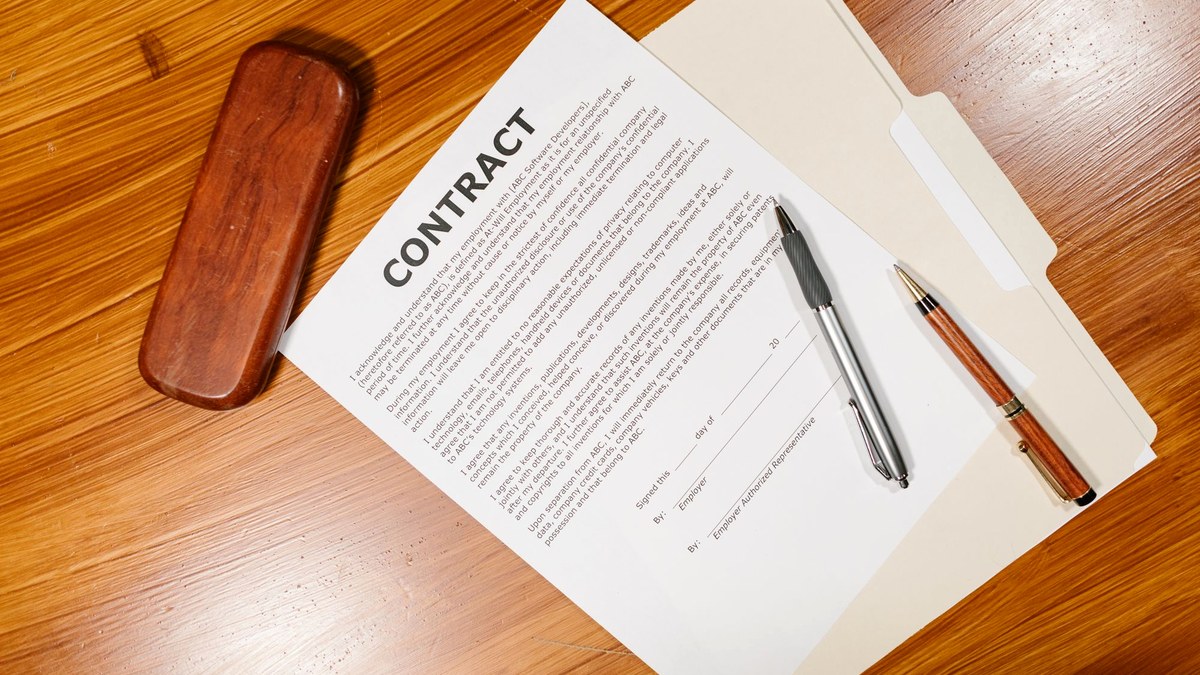
1. Your contract must be written and documented on Qiwa
HRSD’s guide says an employment contract must be written and documented through Qiwa, the ministry’s approved platform, using the unified contract form. It should include, among other things:
- the employer’s name and workplace
- your name, nationality and identification details
- your agreed wage, including benefits and allowances
- the type and place of work and the start date
- the contract duration, if it is fixed-term
- the probation period, if any
Each party should keep a copy. Before you sign, or before you accept the contract in your Qiwa account, read it carefully and compare it with the offer you were given. HRSD’s Contract Management service page explains that once the employer creates the contract, you can approve, reject or request to amend it through your individual Qiwa account. If both parties agree, the contract is considered certified and approved by the ministry.
2. Probation: up to 180 days
Under Article 53 as amended in 2025, any probation period must be stated clearly in the contract, and the total cannot exceed 180 days. HRSD’s guide notes that Eid holidays, National Day, Founding Day and sick leave are not counted in the probation period. Either party may end the contract during probation, and, according to the HRSD guide, no end-of-service award is due if the contract ends during probation.
3. Working hours
According to HRSD’s guide:
- normal working hours are 8 hours a day, 48 hours a week
- in Ramadan, hours for Muslim workers are reduced to 6 hours a day, 36 hours a week
- workers get a weekly rest day, normally Friday unless another day is agreed
- a rest period of at least 30 minutes must be given after five consecutive hours of work
Overtime is paid at the actual wage plus 50% of the basic hourly wage, as set out in the guide.
4. Annual leave
- At least 21 days of paid annual leave a year
- rising to 30 days after five consecutive years with the same employer
- if you leave before using your leave, you are entitled to be paid for the unused days
5. Sick leave
HRSD’s guide lists sick leave of up to 120 days in a year: the first 30 days on full pay, the next 60 days on three-quarters pay, and the next 30 days unpaid. Medical certificates are normally required.
6. Other leave
The guide also lists, among others:
- marriage: 5 days
- paternity: 3 days
- death of a spouse, parent or child: 5 days
- Hajj leave: 10 to 15 days, once, after two years of service
7. Your passport stays with you
HRSD’s guide is clear: under no circumstances may a worker’s passport or residence permit be withheld. If your employer keeps your passport, the guide says you can file a complaint through the ministry’s channels.
8. Fees the employer pays — and agency service fees
HRSD’s guide lists fees that are the employer’s responsibility, including:
- recruitment fees
- residence (iqama) and work permit fees and renewal
- profession change fees
- exit and return visa fees
- the worker’s return ticket at the end of the contract
If anyone asks you to pay iqama or work-permit fees, or other items the guide lists as the employer’s responsibility, pause and check the official guidance.
Separately, in some countries a licensed recruitment agency or overseas employment promoter may be allowed to charge a candidate a regulated service fee for its recruitment services. That is a different kind of charge from the government fees above, and the rules depend on the country you are applying from. Check the official labour or emigration authority there before you pay. If you do pay a service fee:
- pay only a licensed agency
- ask for an official receipt
- check the agency’s licence through the official channel
- never pay an unlicensed agent or an individual
9. Notice and resignation
Under the 2025 amendments, a non-Saudi worker’s contract must be written and fixed-term (Article 37), so the fixed-term resignation rules below are the ones most expats will meet.
For open-ended contracts, either party can end the contract for a valid reason with written notice. Since the 2025 amendments, for workers paid monthly, the notice period is at least 30 days from the worker and 60 days from the employer. Your contract may set a longer period.
For resignation from a fixed-term contract, the HRSD guide says a resignation is treated as accepted if the employer doesn’t respond within 30 days, and the employer may postpone acceptance by up to 60 days if work requires it, with written reasons.
10. End-of-service award
Under Article 84, when employment ends, the employer pays an end-of-service award of half a month’s wage for each of the first five years and one month’s wage for each year after that, based on your last wage, with part-years counted proportionally. Different rules apply when a worker resigns, so check the HRSD guide for your situation.
11. Wages paid through the Wage Protection Program
HRSD’s guide says employers must document and pay wages through the Wage Protection Program. Keep your payslips and bank statements.
12. Keep your iqama up to date
Your residence permit (iqama) must stay valid. Your employer handles the renewal and fees, but it’s wise to check your own expiry date. Our sister site explains how in its guide to checking and renewing your iqama.
If something goes wrong
- Talk to HR first, calmly and in writing.
- Keep copies of your contract, payslips and messages.
- Use official HRSD channels if the issue isn’t resolved.
Frequently asked questions
Can my employer change my contract without my agreement?
Your contract terms are agreed between both parties. Ask HR to put any proposed changes in writing, and check the HRSD guidance.
Is my probation period extended if I’m sick?
HRSD’s guide says sick leave isn’t counted in the probation period.
Who pays for my iqama and work permit?
HRSD’s guide lists residence (iqama) and work permit fees and renewals as the employer’s responsibility.
Can a recruitment agency charge me a service fee?
HRSD’s guide lists recruitment fees, and iqama and work-permit fees, as the employer’s responsibility. Separately, some countries allow a licensed agency or overseas employment promoter to charge a regulated service fee for its services. Check the official rules that apply where you are applying from, pay only a licensed agency against an official receipt, and never pay an unlicensed agent or an individual.
This article is general information based on official HRSD publications as of 16 November 2026. It is not legal advice. For your specific situation, check the latest official guidance or speak to a qualified professional.
Sources
- HRSD, “Awareness guide on the rights and duties of employers and workers” (December 2025): https://www.hrsd.gov.sa/sites/default/files/2025-12/awareness-guide-on-the-rights-and-duties-of-employers-and-workers.pdf
- HRSD, Labor Relations (Labor Law articles, including 53 and 84): https://www.hrsd.gov.sa/en/%D8%B9%D9%84%D8%A7%D9%82%D8%A7%D8%AA-%D8%A7%D9%84%D8%B9%D9%85%D9%84
- HRSD, “Amendments to Labor Law Articles” (2025): https://www.hrsd.gov.sa/sites/default/files/2025-03/Amendments%20to%20Labor%20Law%20Articles.pdf
- HRSD, Contract Management service (checked 16 November 2026): https://www.hrsd.gov.sa/en/ministry-services/services/%D8%A5%D8%AF%D8%A7%D8%B1%D8%A9-%D8%A7%D9%84%D8%B9%D9%82%D9%88%D8%AF
- Qiwa: https://qiwa.sa/
